The Rwenzori region of western Uganda is widely known for its majestic snow-capped mountains, lush landscapes, and rich cultural heritage. Among its natural wonders are the hot springs—geothermal sites that not only fascinate scientists and tourists but also hold deep cultural and traditional significance for the communities living around them.
The Beauty and Science of the Hot Springs
Hot springs in the Rwenzori region occur where underground water is naturally heated by geothermal energy and forced to the earth’s surface. The result is steaming pools of mineral-rich water with temperatures ranging from warm to boiling hot. Scientists believe the geothermal activity in the area is linked to the Great Rift Valley system, which runs through western Uganda.
The most famous hot springs in the region include:
- Sempaya Hot Springs (Semuliki National Park)
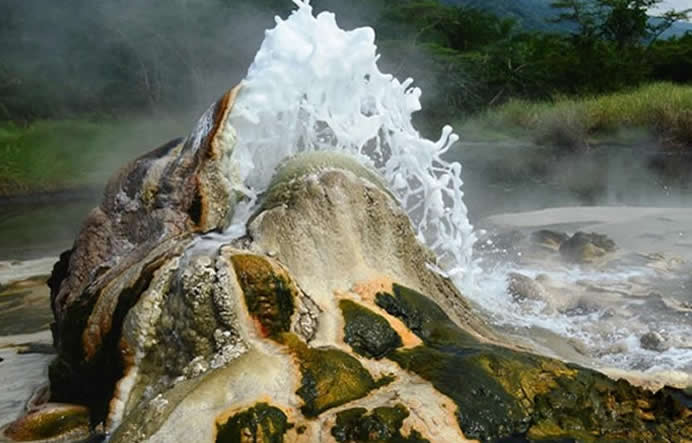
Found inside Semuliki National Park in Bundibugyo District, these are perhaps the most well-known in the region. They consist of two main springs—the “male” and the “female” springs. The female spring, locally called Nyansimbi, shoots boiling water up to two meters high. Visitors often boil eggs and plantains in the bubbling waters as part of the experience.
- Kitagata Hot Springs (Sheema District, near Rwenzori belt)
Though slightly outside the central Rwenzori area, Kitagata is significant to local communities. Believed to have healing properties, Kitagata attracts hundreds of people daily who come to bathe, fetch water, or seek relief from ailments like skin diseases and joint pains.
- Buranga Hot Springs (Bundibugyo District)
Located on the slopes of the Rwenzori Mountains, Buranga is less developed for tourism but equally fascinating. The area is surrounded by lush forests, making it a pristine site for eco-tourists and researchers interested in both geothermal and ecological diversity.
Cultural and Traditional Significance
For local communities, hot springs are more than natural features; they are sacred sites tied to myths, legends, and spiritual practices. Many believe the waters possess healing powers and use them in rituals for cleansing, fertility, and blessings. Elders often tell stories of ancestral spirits who dwell within the springs, giving them a revered place in traditional life.
Tourism and Economic Value
The hot springs have become a key attraction for eco-tourism in the Rwenzori region. Sites like Sempaya Hot Springs draw visitors who combine wildlife safaris with unique geothermal experiences. Local communities benefit through cultural performances, guiding services, and craft sales. However, challenges such as limited infrastructure, environmental degradation, and lack of awareness continue to limit their full potential.
Conservation and Future Prospects
With Uganda promoting tourism as a driver of economic growth, the hot springs of the Rwenzori region hold immense potential. Sustainable management—balancing conservation with tourism development—is essential to protect these fragile ecosystems. If well developed, the springs can serve not only as tourist attractions but also as sites for geothermal research and health tourism.