Tooro Kingdom Mourns King Oyo
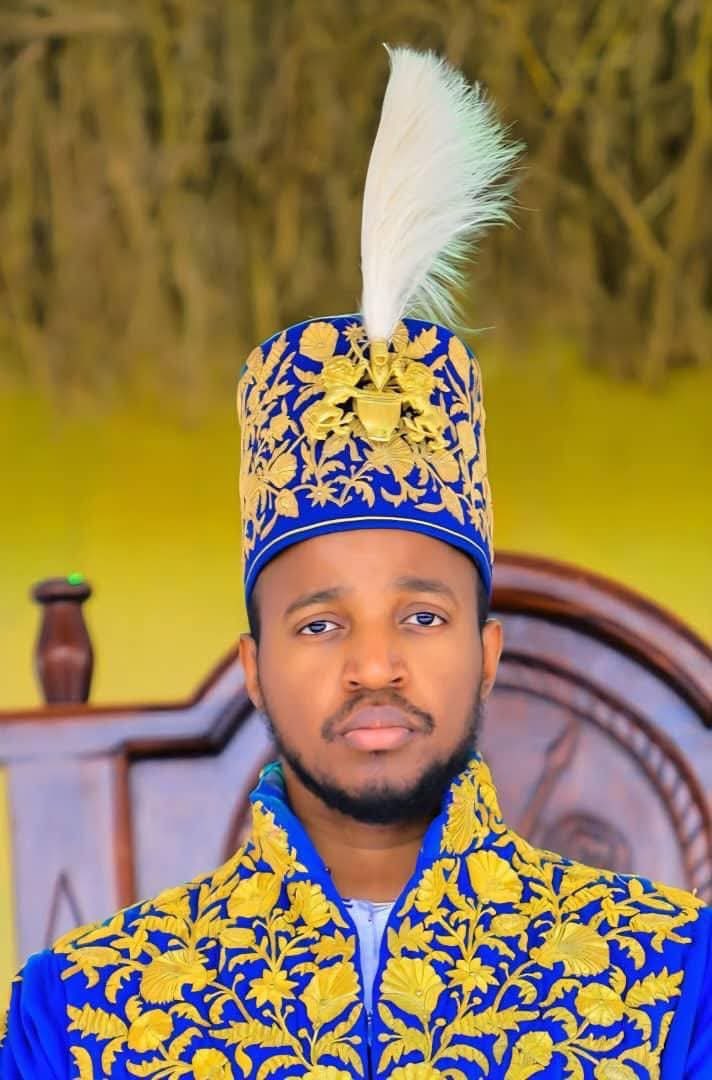
Tooro Kingdom and Uganda are mourning the passing of His Majesty Omukama Oyo Nyimba Kabamba Iguru Rukidi IV, who died on 27 August 2026 at the age of 34. His death marks the end of a remarkable 31-year reign that began when he ascended the throne as a three-year-old child.
King Oyo became internationally known as the world’s youngest reigning monarch after succeeding his father, King Patrick Matthew Kaboyo Olimi III, in 1995. He later assumed full leadership of the kingdom as an adult and became a prominent cultural figure in Uganda and beyond.
A Young King Who Grew with His Kingdom
Born on 16 April 1992, Oyo ascended the Tooro throne on 12 September 1995. During his childhood, the affairs of the kingdom were guided by regents until he reached adulthood.
Over the years, King Oyo developed into a modern and influential cultural leader. His reign was associated with efforts to promote Tooro’s cultural heritage, tourism, environmental conservation, education and youth empowerment. He also used his international profile to draw attention to Tooro and western Uganda.
One of the defining moments of his environmental advocacy was his ascent of Margherita Peak in the Rwenzori Mountains, an achievement that helped promote the Rwenzori region while drawing attention to climate and environmental conservation.
A Kingdom in Mourning
News of King Oyo’s death sent a wave of grief across Tooro and Uganda. Government institutions, cultural leaders, communities and organisations have joined the royal family in paying tribute to the late monarch.
Uganda’s Parliament observed a moment of silence in his honour, with Speaker Jacob Marksons Oboth describing his death as deeply painful and recognising his contribution to Tooro and the country.
The Federation of Uganda Football Associations also paid tribute to the King, remembering his passion for football and his support for the Uganda Cranes, the Tooro Kingdom Amasaza Cup and football development in the region.
The Final Journey Home
King Oyo’s remains arrived in Uganda on 4 September 2026, with President Yoweri Museveni receiving the body at Entebbe International Airport. The remains are being taken to Tooro for the traditional funeral ceremonies.
The final journey includes transportation from Kyegegwa through parts of Tooro before reaching Karuziika Palace in Fort Portal, where the official mourning period is taking place.
The kingdom has announced a nine-day mourning period, beginning with the arrival of the King’s remains at the palace. His burial is scheduled for 12 September 2026 — exactly 31 years after his coronation.
The coincidence carries profound significance for the people of Tooro. A date that has traditionally commemorated King Oyo’s accession to the throne will now become a day of farewell.
Remembering His Legacy
King Oyo’s relatively short life was closely intertwined with the modern history of the Tooro Kingdom. From a three-year-old prince thrust into the international spotlight, he grew into a monarch who sought to connect tradition with contemporary development.
His legacy extends beyond the royal palace. His advocacy for young people, culture, tourism and environmental conservation helped position Tooro as an important cultural and tourism destination in Uganda.
As the people of Tooro gather to mourn, the Rwenzori region stands in reflection of a King whose identity and reign were deeply connected to the Mountains of the Moon.
A Time for Tooro to Remember
The mourning of King Oyo is more than the passing of a monarch. It is a moment for the people of Tooro to reflect on their history, culture, identity and hopes for the future.
Across Fort Portal, the Rwenzori foothills and communities throughout the kingdom, people are coming together to honour a young King who spent more than three decades on the throne.
As Tooro says farewell to Omukama Oyo Nyimba Kabamba Iguru Rukidi IV, his memory will remain part of the kingdom’s continuing story — a story of heritage, resilience, leadership and a people united by their connection to the Mountains of the Moon.
Omukama Atulize. Enkuba Etutire.

Recent Posts

Tooro Kingdom Mourns King Oyo