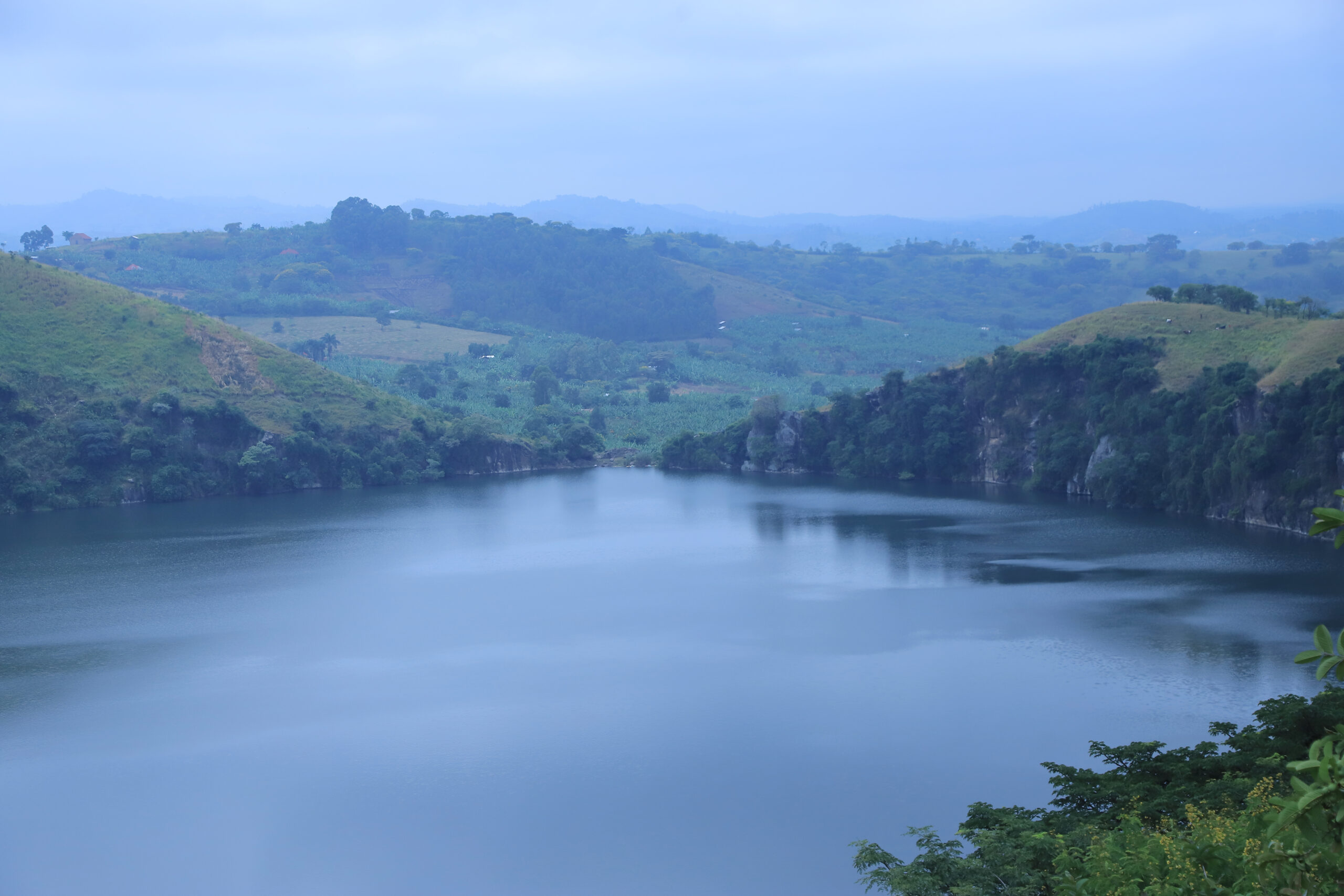
The Rwenzori region of western Uganda is not only famous for its snowcapped “Mountains of the Moon” but also for its breathtaking crater lakes, which add to the area’s natural beauty and ecological importance. These lakes, formed through ancient volcanic activity, are scattered across the foothills and surrounding landscapes, creating some of the most spectacular scenery in East Africa.
Formation and Uniqueness
Crater lakes in the Rwenzori region were formed thousands of years ago as a result of violent volcanic eruptions that left behind large depressions, later filled with water. Unlike man-made reservoirs, crater lakes are entirely natural and often exhibit striking blue-green colors due to their mineral content and depth. Their round or oval shapes, elevated positions, and surrounding lush vegetation make them unique attractions.
Notable Crater Lakes
The region hosts dozens of crater lakes, each with its own character and story. Some of the most notable include:
- Lake Katwe – Famous for its centuries-old salt mining tradition, Lake Katwe remains a key source of livelihood for local communities.
- Lake Nyamunuka – Rich in minerals and traditionally known for its medicinal properties, this lake is often associated with cultural practices.
- Lake Mahoma – Nestled deep within the Rwenzori Mountains National Park, Lake Mahoma is popular with hikers seeking a quieter and more pristine environment.
- Lake Nkuruba – Surrounded by thick forests, it provides a serene environment for ecotourism and birdwatching.
Biodiversity and Conservation
Crater lakes are vital ecosystems that support diverse plant and animal life. Many are surrounded by tropical forests that host primates such as black-and-white colobus monkeys, red-tailed monkeys, and a variety of bird species, including the great blue turaco. The lakes also play a critical role in regulating local microclimates and providing fresh water for communities.
Conservation efforts are ongoing to protect these fragile ecosystems from threats such as deforestation, agricultural expansion, and pollution. Local conservation groups, together with Uganda Wildlife Authority, have been instrumental in promoting sustainable tourism and community involvement in protecting these natural treasures.
Tourism and Cultural Significance
Crater lakes have become prime attractions for tourists visiting the Rwenzori region. They offer opportunities for hiking, nature walks, birding, and cultural tours. Many lakes hold spiritual significance for local communities, with legends and folklore passed down through generations. For example, some are believed to be homes of ancestral spirits, making them important cultural landmarks as well as natural wonders.